
Abstract
Aim: To summarize current evidence on the diagnosis and management of intrahepatic cholestasis of pregnancy (ICP), focusing on diagnostic biomarkers, pharmacological treatment, fetal surveillance, delivery planning, maternal–fetal outcomes, and emerging therapeutic approaches.
Materials and Methods: A systematic review was conducted in accordance with the Preferred Reporting Items for Systematic Reviews and Meta-Analyses (PRISMA) guidelines. PubMed, Scopus, Web of Science, and SinoMed (Chinese Biomedical Literature Service System), were searched for relevant publications published between January 2016 and September 2026. Forty studies meeting the eligibility criteria were included in the final qualitative synthesis. The evidence was evaluated across diagnostic biomarkers, pharmacological interventions, fetal surveillance, delivery planning, and emerging therapeutic approaches.
Results: Serum total bile acid concentrations remain central to the diagnosis and risk stratification of ICP, while maternal clinical characteristics, liver function tests, and gestational age at onset contribute to the overall assessment. Ursodeoxycholic acid (UDCA) remains the principal pharmacological treatment for maternal symptoms and biochemical abnormalities; however, evidence for its effect on major adverse perinatal outcomes remains limited. Maternal–fetal risk assessment, serial evaluation of bile acid concentrations, individualized fetal surveillance, and appropriately timed delivery are essential components of management. Emerging approaches include improved biomarker-based risk stratification and the investigation of alternative therapeutic targets.
Conclusion: The management of ICP requires an individualized, risk-based approach integrating biochemical assessment, maternal symptom control, and gestational-age-specific obstetric planning. Serum bile acid concentrations remain central to evaluating fetal risk and guiding clinical decisions. Further prospective studies are needed to validate emerging biomarkers, establish the comparative effectiveness of therapeutic strategies, and refine management algorithms to improve maternal and perinatal outcomes.
- Introduction
Intrahepatic cholestasis of pregnancy (ICP) is a pregnancy-specific liver disorder characterized by pruritus, elevated serum bile acid concentrations, and abnormal liver function occurring predominantly during the second and third trimesters of pregnancy [1,2]. ICP is considered one of the most common hepatic disorders associated with pregnancy and has gained increasing clinical attention because of its significant maternal and fetal implications. Although maternal symptoms usually resolve rapidly after delivery, the condition is strongly associated with adverse perinatal outcomes, including spontaneous preterm birth, fetal distress, meconium-stained amniotic fluid, neonatal respiratory complications, and stillbirth. Consequently, early diagnosis and appropriate clinical management are essential to reduce maternal discomfort and improve fetal safety [3,4].
The prevalence of ICP varies considerably across different populations and geographic regions, ranging from approximately 0.1% to 15%, depending on ethnicity, environmental factors, genetic susceptibility, and diagnostic criteria. Higher incidence rates have been reported in certain South American and Asian populations, whereas lower rates are generally observed in North America and Europe. The increasing recognition of pregnancy-related liver disorders and improved biochemical testing have contributed to enhanced identification of ICP in recent years [5,6].
The exact pathophysiology of ICP remains incompletely understood and is considered multifactorial. Current evidence suggests that elevated estrogen and progesterone levels during pregnancy impair hepatocellular bile acid transport in genetically susceptible individuals, leading to cholestasis and accumulation of bile acids in maternal circulation. Genetic variants involving bile acid transport genes such as ABCB4, ABCB11, and ATP8B1 have been associated with disease susceptibility. In addition, inflammatory pathways, oxidative stress, and environmental influences may contribute to disease progression and severity [7].
Clinically, ICP most commonly presents with generalized pruritus, particularly involving the palms and soles, without primary skin lesions. Symptoms often worsen at night and may significantly affect maternal quality of life. Laboratory findings typically include elevated total serum bile acid concentrations and abnormal liver enzyme levels, particularly alanine aminotransferase (ALT) and aspartate aminotransferase (AST). Among available biomarkers, total serum bile acid concentration is currently regarded as the primary diagnostic indicator and an important predictor of fetal risk. However, variations in diagnostic thresholds and inconsistencies among international clinical guidelines continue to create challenges in disease diagnosis and classification [8].
The major clinical concern in ICP relates to fetal complications. Elevated maternal bile acid concentrations have been associated with placental dysfunction, fetal hypoxia, cardiac arrhythmias, and sudden intrauterine fetal death. Several studies have demonstrated that increasing bile acid levels correlate with higher risks of preterm birth and adverse neonatal outcomes. Despite advances in fetal surveillance, predicting fetal deterioration remains difficult, and optimal monitoring strategies continue to be debated [9].
Management of ICP primarily focuses on symptom control, reduction of bile acid concentrations, and prevention of adverse fetal outcomes. Ursodeoxycholic acid (UDCA) remains the first-line pharmacological therapy because of its beneficial effects on pruritus relief and biochemical improvement. Additional therapies, including rifampicin and other bile acid-modulating agents, have been explored in severe or refractory cases. Clinical management also includes individualized fetal surveillance and planned delivery based on disease severity and gestational age. Nevertheless, controversies persist regarding optimal treatment protocols, fetal monitoring strategies, and timing of delivery [10].
Recent advances in molecular biology and hepatology have improved understanding of bile acid metabolism and identified emerging therapeutic targets for ICP. Novel therapies targeting bile acid transport pathways, inflammatory mechanisms, and nuclear receptors such as the farnesoid X receptor (FXR) have demonstrated promising potential in early investigations. Furthermore, advances in biomarker profiling and precision medicine may contribute to more individualized approaches for risk assessment and treatment in the future.
Given the increasing clinical relevance of ICP and the evolving landscape of diagnostic and therapeutic strategies, a comprehensive synthesis of current evidence is essential to support informed clinical decision-making. Therefore, this systematic review aims to critically evaluate recent advances in the diagnosis, evidence-based management, maternal–fetal outcomes, and emerging therapeutic directions in ICP. In addition, this review seeks to summarize current evidence regarding diagnostic biomarkers and treatment strategies while proposing an evidence-based clinical management framework that may support future precision medicine approaches and improve maternal and neonatal outcomes.
- Materials and Methods
This systematic review aimed to synthesize the available evidence on the diagnosis, clinical management, maternal–fetal outcomes, and emerging therapeutic strategies for intrahepatic cholestasis of pregnancy (ICP). The review focused on diagnostic biomarkers, pharmacological interventions, fetal surveillance, timing of delivery, and novel approaches to the assessment and management of this pregnancy-specific liver disorder. The review methodology was structured in accordance with the Preferred Reporting Items for Systematic Reviews and Meta-Analyses (PRISMA) guidelines. Predefined eligibility criteria were applied to guide study selection and promote transparency and consistency throughout the review process.
2.1. Literature Search Strategy
A structured literature search was conducted to identify relevant publications addressing the diagnosis, management, and outcomes of ICP. The search covered studies published between January 2016 and September 2026 and was performed using the following electronic sources: PubMed/MEDLINE, Web of Science, Scopus and SinoMed (Chinese Biomedical Literature Service System), the exact name of which should be specified. The search strategy combined controlled vocabulary, including Medical Subject Headings (MeSH) where available, with free-text keywords. Boolean operators (“AND” and “OR”) were used to combine search terms and identify publications addressing the principal clinical and research domains of ICP. The search terms covered the following concepts:
- Condition: “intrahepatic cholestasis of pregnancy,” “ICP,” and “obstetric cholestasis.”
- Diagnostic assessment: “serum bile acids,” “bile acid biomarkers,” “liver function tests,” and “pregnancy liver disorders.”
- Pharmacological treatment: “ursodeoxycholic acid,” “UDCA,” and “rifampicin.”
- Fetal surveillance and delivery planning: “fetal surveillance,” “antenatal monitoring,” and “delivery timing.”
- Maternal and perinatal outcomes: “maternal outcomes,” “fetal outcomes,” “stillbirth,” “preterm birth,” and “pruritus in pregnancy.”
- Biomarkers and genetic factors: “diagnostic biomarkers,” “genetic factors,” “ABCB4,” and “ABCB11.”
- Clinical management: “clinical management,” “management algorithm,” and “clinical guidelines.”
- Emerging therapeutic approaches: “emerging therapies,” “FXR agonists,” and “precision medicine.”
These terms were combined according to the requirements of each database. The search strategy was designed to capture clinical studies and evidence syntheses relevant to diagnostic assessment, therapeutic interventions, maternal–fetal risk evaluation, and evolving approaches to ICP management. The search results were assessed against the predefined eligibility criteria. Forty publications were included in the final synthesis. Their principal characteristics and relevant findings are summarized in Table 1.
2.2. Eligibility Criteria
The inclusion and exclusion criteria were established before study selection to provide a consistent framework for assessing the relevance of retrieved publications.
2.2.1. Inclusion Criteria
Publications were eligible for inclusion if they met the following criteria: (1) Investigated pregnant women diagnosed with intrahepatic cholestasis of pregnancy; (2) Were published in English between January 2016 and September 2026; (3) Were original research articles, randomized controlled trials, cohort studies, observational studies, systematic reviews, or meta-analyses; (4) Evaluated one or more relevant aspects of ICP, including diagnostic biomarkers, clinical management, pharmacological treatment, maternal outcomes, fetal outcomes, fetal surveillance, or emerging therapeutic approaches, and (5) Were international clinical guidelines or consensus recommendations directly relevant to the diagnosis or management of ICP.
2.2.2. Exclusion Criteria
Publications were excluded if they met any of the following criteria: (1) Case reports, conference abstracts, editorials, letters, or expert opinions without relevant primary clinical evidence; (2) Animal studies or in vitro investigations that did not directly inform the clinical diagnosis or management of ICP; (3) Duplicate publications or reports based on overlapping datasets without additional relevant information; (4) Non-peer-reviewed publications or unpublished manuscripts, and (5) Publications that did not address the predefined objectives of the review.
2.3. Study Selection Process
The study selection process comprised three stages: title screening, abstract screening, and full-text eligibility assessment. Retrieved records were collated in reference management software, and duplicate records were removed before screening.
Titles and abstracts were assessed for relevance to the review objectives. Publications considered potentially eligible were subsequently evaluated in full text against the predefined inclusion and exclusion criteria. Records that did not meet the eligibility requirements were excluded at the relevant stage of the selection process. Following completion of the selection process, 40 publications were included in the final synthesis. The identification, deduplication, screening, eligibility assessment, and final inclusion of publications are presented in the PRISMA flow diagram (Figure 1). The characteristics and principal findings of the included publications are summarized in Table 1.
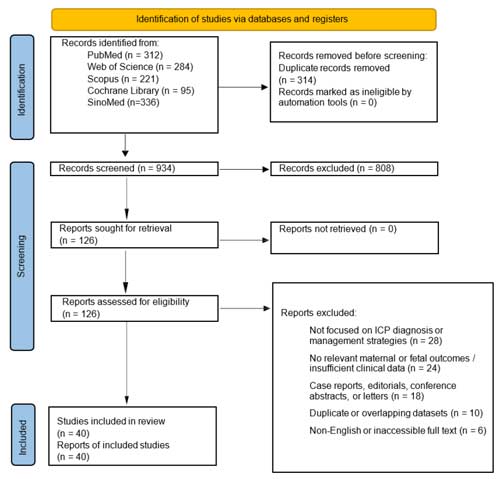
Figure 1. PRISMA flow diagram illustrating the identification, screening, eligibility assessment, and inclusion of publications in the systematic review of intrahepatic cholestasis of pregnancy (ICP).
2.4. Data Extraction
Data extraction was performed using a standardized data extraction form to ensure consistency in the collection and organization of information from the included publications. The extracted data included the first author, year of publication, study design, sample size, diagnostic criteria for intrahepatic cholestasis of pregnancy (ICP), serum bile acid concentrations, treatment strategies, maternal outcomes, fetal outcomes, and emerging therapeutic approaches. The extracted information was organized according to the principal objectives of the review to facilitate comparison across studies and identify relevant findings concerning diagnostic assessment, clinical management, maternal–fetal outcomes, and potential future therapeutic directions. Discrepancies identified during data extraction were reviewed and resolved to improve the accuracy and consistency of the extracted information.
2.5. Quality Assessment and Risk of Bias Evaluation
The methodological quality and risk of bias of the included publications were assessed using appraisal tools appropriate to the respective study designs. Randomized controlled trials were evaluated using the Cochrane Risk of Bias Tool, observational studies were assessed using the Newcastle–Ottawa Scale (NOS), and systematic reviews were appraised using the AMSTAR 2 checklist. The assessments considered relevant methodological domains, including participant selection, study design, outcome measurement, potential sources of bias, and the transparency of reporting. The findings of the quality assessment were used to inform the interpretation of the available evidence and to identify methodological limitations that could influence the reliability of the reported results. Where applicable, the results of the appraisal were summarized according to the methodological domains of the relevant assessment tools. The interpretation of study quality took into account the differences between study designs and the limitations inherent in the available evidence.
2.6. Data Synthesis and Analysis
A narrative synthesis was undertaken because of heterogeneity among the included publications in study design, diagnostic criteria, serum bile acid thresholds, treatment protocols, and reported maternal and fetal outcomes. These differences limited the feasibility of combining the findings quantitatively in a single meta-analysis. The findings were organized into the following thematic categories: (1) diagnostic biomarkers and biochemical assessment; (2) pharmacological management; (3) fetal surveillance and timing of delivery; (4) maternal outcomes; (5) fetal and neonatal outcomes; and (6) emerging therapeutic approaches. International clinical guidelines and recommendations were compared with findings from the included clinical studies to identify areas of agreement, differences in clinical practice, and unresolved questions in ICP management. Particular attention was given to the role of serum bile acid concentrations in risk stratification, the effectiveness of pharmacological interventions, and approaches to optimizing maternal–fetal outcomes. The synthesized evidence was interpreted in the context of the methodological quality of the included publications. This approach enabled a structured overview of current clinical practice, the limitations of the available evidence, and priorities for future research into the diagnosis and management of ICP.
- Results
3.1. Study Characteristics
The database search identified 1,248 records. Following the removal of 314 duplicate records, 934 records remained for screening. After title and abstract screening and subsequent full-text eligibility assessment, 40 publications met the predefined inclusion criteria and were included in the systematic review (Figure 1). The included publications comprised randomized controlled trials, cohort studies, observational studies, systematic reviews, meta-analyses, and international clinical guidelines published between 2016 and 2026. The principal characteristics and key findings of the included publications are summarized in Table 1.
Table 1. Characteristics and principal findings of the studies included in the review
Author/Year | Study Design | Sample Size (N) | Main Focus | Key Findings |
Ovadia et al., 2021 [11] | Systematic review and IPD meta-analysis | 6,974 women | UDCA effectiveness | UDCA improved pruritus and biochemical outcomes in ICP |
Chappell et al., 2019 [12] | Randomized controlled trial | 605 women | UDCA versus placebo | UDCA reduced maternal symptoms and liver dysfunction |
Xiao et al., 2021 [13] | Review study | N/A | Molecular pathogenesis | Identified hormonal, genetic, and inflammatory mechanisms in ICP |
Jasak et al., 2025 [14] | Literature review | N/A | Biomarkers and future therapies | Highlighted advances in biomarkers and future therapies |
Yang et al., 2022 [15] | Systematic review | NR | Metabolomics in ICP | Metabolomic biomarkers demonstrated diagnostic potential |
Ovadia and Williamson, 2016 [16] | Review article | N/A | Recent advances in ICP | Summarized updated pathophysiology and management strategies |
Borges Manna et al., 2020 [17] | Experimental clinical study | NR | UDCA and fetal metabolism | UDCA improved fetoplacental metabolic outcomes |
Zhan et al., 2022 [18] | Meta-analysis | 786 participants | Maternal dyslipidemia | ICP associated with increased maternal lipid abnormalities |
Bicocca et al., 2018 [19] | Guideline review | N/A | International ICP guidelines | Demonstrated variability among clinical recommendations |
Niemyjska-Dmoch et al., 2023 [20] | Literature review | N/A | Genetic inheritance | Genetic mutations contributed to ICP susceptibility |
Ovadia et al., 2019 [21] | Meta-analysis | 5,515 ICP cases (aggregate analysis) | Biochemical markers and outcomes | Severe bile acid elevation increased stillbirth risk |
Liu et al., 2025 [22] | Genetic cohort study | 98,269 pregnancies | East Asian genetic etiology | HBV-related genetic susceptibility identified in Chinese women |
Mashburn et al., 2022 [23] | Cohort study | NR | Severe ICP risk factors | Identified predictors of severe disease progression |
Jamshidi Kerachi et al., 2025 [24] | Systematic review and meta-analysis | NR | Global ICP incidence | Significant regional variation in ICP prevalence observed |
Niculae and Petca, 2025 [25] | Review article | N/A | Neonatal impact | ICP associated with adverse neonatal respiratory outcomes |
Chen et al., 2023 [26] | Retrospective cohort study | NR | Pregnancy outcomes | ICP increased risk of adverse maternal–fetal outcomes |
Rosenberg et al., 2022 [27] | Cohort study | NR | ICP recurrence | High recurrence risk identified in subsequent pregnancies |
Wolf et al., 2022 [28] | Epidemiological study | NR | Ethnic distribution | ICP prevalence varied across ethnic populations |
Donet et al., 2020 [29] | Clinical review | N/A | Differential diagnosis | Emphasized exclusion of alternative hepatic disorders |
Huang et al., 2022 [30] | Retrospective longitudinal study | NR | Infant food allergy | ICP associated with increased infant allergy risk |
Zhou et al., 2024 [31] | Large cohort study | 1,289 women (cohort); 15,826 participants (meta-analysis) | Severity and adverse outcomes | Severe ICP increased risks beyond stillbirth |
Al-Obaidly et al., 2022 [32] | Population-based study | NR | Perinatal outcomes | ICP associated with increased preterm birth risk |
Liu et al., 2020 [33] | Retrospective study | NR | Gestational diabetes and preeclampsia | ICP increased metabolic and hypertensive complications |
Odutola et al., 2023 [34] | Systematic review and meta-analysis | NR | Hepatobiliary disease | ICP associated with future hepatobiliary disorders |
Shan et al., 2025 [35] | Cohort study | NR | Gut microbiota alterations | Significant microbiome changes identified in ICP |
Hämäläinen et al., 2019 [36] | Long-term follow-up study | NR | ICP comorbidities | Increased long-term maternal comorbid conditions observed |
Liu et al., 2024 [37] | Retrospective cohort study | 742 pregnancies | Early-onset ICP | Early ICP increased gestational diabetes risk |
Zhao et al., 2025 [38] | Retrospective cohort study | 1,156 twin pregnancies | Twin pregnancy outcomes | Elevated bile acids increased preterm birth and stillbirth |
Valdovinos-Bello et al., 2023 [39] | Histopathological study | NR | Placental alterations | Maternal BMI associated with placental abnormalities |
Sarker et al., 2025 [40] | Cohort study | 1,182 pregnancies | Progressive ICP outcomes | Progressive disease associated with adverse pregnancy outcomes |
Sarker et al., 2025 [41] | Clinical observational study | 1,247 pregnancies | Earlier diagnosis | Early diagnosis associated with improved outcomes |
Furrer et al., 2016 [42] | Observational study | 348 ICP cases (15,083 deliveries) | Postpartum blood loss | ICP treatment not significantly associated with hemorrhage |
Bolukbas et al., 2017 [43] | Comparative clinical study | NR | IVF versus spontaneous pregnancy | IVF pregnancies demonstrated higher ICP occurrence |
Estiú et al., 2017 [44] | Cohort study | 382 pregnancies | Meconium-stained fluid | Severe early-onset ICP increased meconium risk |
Hämäläinen et al., 2018 [45] | Cohort follow-up study | NR | Mortality outcomes | ICP associated with long-term health risks |
Dai et al., 2026 [46] | Review study | N/A | Neurodevelopmental outcomes | Bile acid exposure may affect offspring neurodevelopment |
Liang et al., 2026 [47] | Prediction model study | NR | Clinical prediction model | Developed predictive model for ICP diagnosis |
Niculae et al., 2026 [48] | Prospective cohort protocol | Not yet enrolled / NR | Neonatal respiratory outcomes | Proposed prospective evaluation of neonatal complications |
Misirlioglu and Cetin, 2026 [49] | Retrospective cohort study | NR | Proteinuria in ICP | Proteinuria associated with severe cholestatic disease |
Majewska et al., 2025 [50] | Observational cohort study | NR | Stillbirth timing | Severe bile acid elevation strongly associated with stillbirth timing |
Abbreviations: ICP, intrahepatic cholestasis of pregnancy; IPD, individual participant data; UDCA, ursodeoxycholic acid; HBV, hepatitis B virus; IVF, in vitro fertilization. N/A, not applicable (review/guideline article without a single primary study population); NR, sample size not stated in the information currently available and requiring verification against the original publication.
3.2. Quality Assessment and Risk of Bias Evaluation
The methodological quality of included studies was assessed using the Cochrane Risk of Bias Tool, NOS, and AMSTAR-2 checklist depending on study design. Overall, most studies demonstrated moderate-to-high methodological quality with acceptable participant selection, outcome assessment, and statistical analysis [11,12,21,24]. Randomized controlled trials showed low risk of bias, whereas retrospective cohort studies demonstrated moderate risk because of selection bias and heterogeneity in diagnostic criteria and treatment protocols [12,26,31,36]. Systematic reviews and meta-analyses generally showed moderate methodological quality with comprehensive literature synthesis and appropriate statistical analysis [11,15,18,24,34]. A summary of quality assessment findings is presented in Table 2.
Table 2. Methodological Quality and Risk-of-Bias Assessment of the Included Publications
Study Category | Assessment Tool | Overall Quality/Risk |
Randomized controlled trials | Cochrane Risk of Bias Tool | Low to moderate risk of bias |
Cohort and observational studies | Newcastle–Ottawa Scale (NOS) | Moderate to high methodological quality |
Systematic reviews and meta-analyses | AMSTAR-2 Checklist | Moderate methodological quality |
Clinical guidelines and review articles | Guideline appraisal methods | High clinical relevance |
3.3 Diagnostic Approaches in Intrahepatic Cholestasis of Pregnancy
Total serum bile acid concentration was consistently identified as the primary diagnostic biomarker for ICP [21,26,31]. Most studies reported that elevated bile acid levels correlated strongly with disease severity and adverse fetal outcomes [21,31,41,50]. Liver enzymes such as alanine aminotransferase (ALT) and aspartate aminotransferase (AST) provided supportive diagnostic value but lacked specificity [14,16,26]. Recent evidence additionally highlighted the importance of genetic susceptibility involving ABCB4 and ABCB11 mutations and the emerging role of metabolomic and inflammatory biomarkers in early disease prediction [13,15,20,22,23]. The major diagnostic biomarkers and their clinical significance are summarized in Table 3.
Table 3. Major Diagnostic Biomarkers in Intrahepatic Cholestasis of Pregnancy (ICP) and Their Clinical Significance
Biomarker | Clinical Significance | Diagnostic Utility |
Total serum bile acids | Primary diagnostic marker | Most sensitive and prognostic biomarker |
ALT | Hepatocellular injury indicator | Supportive diagnostic value |
AST | Liver dysfunction marker | Supportive biochemical marker |
Bilirubin | Severe cholestasis indicator | Associated with advanced disease |
ABCB4 mutation | Genetic susceptibility | Associated with severe ICP |
ABCB11 mutation | Bile acid transport dysfunction | Linked to recurrent ICP |
Abbreviations: ALT, alanine aminotransferase; AST, aspartate aminotransferase; ICP, intrahepatic cholestasis of pregnancy; ABCB4, ATP-binding cassette subfamily B member 4; ABCB11, ATP-binding cassette subfamily B member 11.
3.4. Management Strategies
UDCA remained the first-line pharmacological therapy across most included studies because of its effectiveness in reducing maternal pruritus and improving biochemical abnormalities [11,12,17]. In severe or refractory cases, rifampicin and supportive therapies were additionally utilized [14,16,24]. Individualized fetal surveillance and optimized delivery timing, particularly between 36–37 weeks in severe ICP, were emphasized to reduce adverse perinatal outcomes [19,21,31,50]. The major therapeutic strategies and their clinical roles are summarized in Table 4.
Table 4. Major Therapeutic Strategies for Intrahepatic Cholestasis of Pregnancy (ICP): Mechanisms of Action and Clinical Roles
Therapy | Mechanism of Action | Clinical Role |
Ursodeoxycholic acid (UDCA) | Modulates bile acid composition and transport and may improve bile flow. | First-line pharmacological therapy for maternal symptoms; may improve biochemical parameters. |
Rifampicin | Activates pathways involved in bile acid metabolism and transport, potentially enhancing bile acid clearance. | Adjunctive treatment considered in selected patients with severe or refractory ICP under specialist supervision; evidence remains limited. |
Cholestyramine | Binds bile acids in the intestinal lumen, reducing their enterohepatic reabsorption. | Symptomatic treatment for pruritus in selected cases; effectiveness in ICP is limited, and vitamin K deficiency is a concern. |
S-adenosyl-L-methionine (SAMe) | Participates in hepatic methylation reactions and may influence hepatocellular function and bile flow. | Supportive or alternative treatment investigated for ICP; evidence of clinical benefit remains limited. |
Antihistamines | Histamine H1-receptor blockade may provide sedative effects and symptomatic relief, although ICP-associated pruritus is not primarily histamine-mediated. | Adjunctive symptom management, particularly when itching interferes with sleep. |
Abbreviations: ICP, intrahepatic cholestasis of pregnancy; UDCA, ursodeoxycholic acid; SAMe, S-adenosyl-L-methionine.
3.5. Maternal Outcomes, Fetal and Neonatal Outcomes
Maternal outcomes were generally favorable with timely diagnosis and appropriate management. Generalized pruritus involving the palms and soles was the most common symptom and was frequently associated with elevated serum bile acid levels and liver dysfunction [16,26]. Several studies reported increased risks of gestational diabetes mellitus, preeclampsia, postpartum hemorrhage, recurrent ICP, and occasional vitamin K deficiency with coagulation abnormalities [27,33,37,42,43]. Long-term follow-up studies additionally suggested increased future hepatobiliary disease risk among affected women [28,34,36,45]. However, most maternal biochemical abnormalities resolved after delivery, particularly with pharmacological treatment and planned obstetric management [11,12,14]. Adverse fetal and neonatal outcomes were strongly associated with elevated maternal serum bile acid concentrations [21,25,31]. Frequently reported complications included spontaneous preterm birth, fetal distress, meconium-stained amniotic fluid, neonatal respiratory distress, low Apgar scores, neonatal intensive care unit (NICU) admission, and stillbirth [32,38,40,44,48,50]. Severe hypercholanemia (≥100 μmol/L) significantly increased fetal risk [21,31,50]. Placental dysfunction, fetal arrhythmias, oxidative stress, and inflammatory injury were identified as major mechanisms contributing to fetal compromise [13,39,46,49]. Recent evidence additionally suggested possible long-term neurodevelopmental and metabolic effects in exposed offspring. Despite advances in antenatal monitoring, the unpredictable nature of stillbirth highlights the importance of individualized risk assessment and timely delivery planning [19,31,50]. The major maternal and fetal outcomes associated with ICP are summarized in Table 5.
Table 5. Major Maternal and Fetal Outcomes Associated with Intrahepatic Cholestasis of Pregnancy (ICP)
Outcome | Clinical Manifestation | Associated Risk Factors or Predictors | Clinical Significance |
Maternal pruritus | Intense itching, often affecting the palms and soles and typically occurring without a primary skin rash | Elevated serum bile acids; symptom severity may not correlate directly with bile acid concentrations | Principal symptom and a major cause of maternal discomfort and sleep disturbance |
Elevated liver enzymes | Increased alanine aminotransferase (ALT) and aspartate aminotransferase (AST) concentrations | Hepatocellular involvement associated with ICP | Supports biochemical assessment but does not independently establish fetal risk |
Elevated serum bile acids | Increased total serum bile acid concentrations | Disease severity and gestational age | Central to diagnosis and assessment of adverse perinatal risk |
Spontaneous preterm birth | Delivery before 37 completed weeks of gestation | Higher maternal bile acid concentrations and associated obstetric factors | Associated with increased neonatal morbidity |
Iatrogenic preterm birth | Medically indicated early delivery | Bile acid concentrations, gestational age, clinical assessment, and guideline recommendations | May reduce exposure to ongoing pregnancy-related risk but must be balanced against complications of early birth |
Meconium-stained amniotic fluid | Meconium passage before or during delivery | More frequent in pregnancies complicated by ICP, particularly with elevated bile acids | May be associated with intrapartum complications and neonatal respiratory morbidity |
Fetal distress | Abnormal fetal heart rate patterns or other evidence of fetal compromise | Maternal disease severity and associated obstetric complications | Requires appropriate intrapartum assessment and management |
Stillbirth | Intrauterine fetal death before birth | Risk is associated with maternal bile acid concentrations, particularly at higher concentrations | A major adverse outcome informing risk stratification and delivery planning |
Neonatal respiratory morbidity | Respiratory complications following birth | Prematurity and other perinatal factors | May increase the need for neonatal monitoring or respiratory support |
Neonatal intensive care admission | Admission for observation or treatment of neonatal complications | Prematurity, respiratory morbidity, and other neonatal risk factors | Reflects the clinical burden of adverse neonatal outcomes |
Abbreviations: ICP, intrahepatic cholestasis of pregnancy; ALT, alanine aminotransferase; AST, aspartate aminotransferase.
3.6. Emerging Therapeutic Directions
Recent studies increasingly explored targeted therapies focusing on bile acid regulation, inflammatory pathways, and hepatocellular transport mechanisms [13,14,15]. FXR agonists emerged as promising agents because of their ability to regulate bile acid synthesis and improve hepatic transport function [14,15]. Additional approaches, including fibroblast growth factor 19 (FGF19)-related signaling modulation, anti-inflammatory therapies, antioxidant agents, and molecular-targeted interventions, also demonstrated potential therapeutic benefit in severe ICP [13,24,35]. Advances in genomic medicine, metabolomic profiling, and artificial intelligence-based prediction models further highlighted opportunities for precision medicine-based risk stratification, early diagnosis, and individualized treatment planning [15,22,47]. Although these emerging therapies showed encouraging preliminary outcomes, most studies emphasized the need for large-scale randomized clinical trials to establish long-term safety and clinical effectiveness [14,24,25]. The major emerging therapeutic strategies and future research directions are summarized in Table 6.
Table 6. Summary of Major Results of the Included Studies
Result Domain | Major Findings | Clinical Implication |
Diagnostic biomarkers | Total serum bile acid concentration was the most sensitive and prognostic biomarker for ICP diagnosis and severity assessment. | Supports early diagnosis and risk stratification. |
Liver biochemical markers | Elevated ALT and AST levels were frequently associated with hepatic dysfunction and disease progression. | Useful as supportive diagnostic indicators. |
Genetic susceptibility | ABCB4, ABCB11, ATP8B1, and TJP2 mutations were associated with increased ICP susceptibility and severe disease. | Highlights the importance of genetic screening and personalized medicine approaches. |
Ursodeoxycholic acid therapy | UDCA improved maternal pruritus, liver biochemical parameters, and bile acid concentrations in most studies. | Remains the first-line pharmacological therapy for ICP. |
Adjunct pharmacological therapies | Rifampicin demonstrated beneficial effects in severe or refractory ICP cases when combined with UDCA. | May improve outcomes in treatment-resistant patients. |
Maternal outcomes | ICP was associated with gestational diabetes mellitus, preeclampsia, recurrent ICP, and postpartum complications. | Requires multidisciplinary maternal monitoring during pregnancy. |
Fetal outcomes | Increased risks of preterm birth, fetal distress, meconium-stained amniotic fluid, NICU admission, and stillbirth were reported. | Emphasizes the importance of fetal surveillance and optimized delivery timing. |
Severe hypercholanemia | Serum bile acid concentrations ≥100 μmol/L were strongly associated with adverse perinatal outcomes and stillbirth risk. | Severe cases require intensified monitoring and consideration of early delivery. |
Emerging therapies | FXR agonists, metabolomic biomarkers, and molecular-targeted therapies demonstrated promising future therapeutic potential. | May support future precision medicine-based ICP management. |
Long-term implications | ICP was associated with increased maternal hepatobiliary disease risk and possible long-term offspring complications. | Indicates the need for long-term maternal and neonatal follow-up. |
Abbreviations: ICP, intrahepatic cholestasis of pregnancy; ALT, alanine aminotransferase; AST, aspartate aminotransferase; UDCA, ursodeoxycholic acid; NICU, neonatal intensive care unit; FXR, farnesoid X receptor.
3.7. Proposed Evidence-Based Clinical Management Algorithm
Based on the evidence synthesized from the included studies, an evidence-based clinical management algorithm for ICP was developed. The proposed algorithm incorporates early recognition of maternal pruritus, serum bile acid testing, liver function assessment, disease severity stratification, initiation of ursodeoxycholic acid therapy, individualized fetal surveillance, and gestational age-based delivery planning. Severe ICP cases with markedly elevated bile acid concentrations require intensified monitoring and consideration of early delivery to reduce adverse perinatal outcomes. The proposed management framework additionally integrates emerging biomarker evaluation and precision medicine approaches to support future individualized therapeutic strategies. The complete evidence-based management algorithm is presented in Figure 2.
Figure 2. Proposed integrated clinical management algorithm for intrahepatic cholestasis of pregnancy (ICP).
The algorithm summarizes the sequential evaluation of clinical symptoms, biochemical diagnosis, severity stratification based on total serum bile acid concentrations, pharmacological management, maternal–fetal monitoring, individualized delivery planning, and postpartum follow-up. Emerging genetic, biomarker-based, and precision-medicine approaches are included as potential future directions. The algorithm synthesizes the evidence reviewed in this article and should be interpreted in conjunction with applicable clinical guidelines and individual maternal–fetal risk assessment.
- Discussion
4.1. Interpretation of Findings
This systematic review synthesizes evidence published between 2016 and 2026 concerning the diagnosis, clinical management, maternal–fetal outcomes, and emerging therapeutic approaches for intrahepatic cholestasis of pregnancy (ICP). The findings reinforce the central role of serum total bile acid concentrations in the diagnosis and assessment of disease severity, while highlighting the continuing challenges associated with risk prediction, pharmacological treatment, and the optimal timing of delivery. Although substantial progress has been made in understanding the clinical characteristics and pathophysiological mechanisms of ICP, important uncertainties remain regarding the prediction and prevention of adverse perinatal outcomes. Serum total bile acid concentration remains the most important biochemical marker for evaluating ICP and stratifying associated fetal risk [21,31]. Unlike maternal pruritus or liver enzyme abnormalities, bile acid concentrations provide clinically relevant information for assessing the likelihood of adverse perinatal outcomes. Nevertheless, the relationship between biochemical abnormalities and clinical outcomes is complex. The interpretation of bile acid concentrations requires consideration of gestational age, the timing of biochemical assessment, the clinical presentation, and the presence of additional maternal or obstetric risk factors. The association between elevated bile acid concentrations and adverse pregnancy outcomes, particularly stillbirth and preterm birth, represents a central consideration in the management of ICP [31,41,50]. However, the degree of risk is not uniform across all affected pregnancies. The distinction between moderate biochemical elevation and severe hypercholanemia is particularly important because the risk of adverse outcomes increases substantially at higher bile acid concentrations. Consequently, severity assessment should not rely exclusively on the intensity of maternal pruritus or the magnitude of aminotransferase elevation. Instead, total serum bile acid concentrations should be integrated with gestational age, the evolution of biochemical findings, and the overall clinical context. An additional consideration is the temporal variability of biochemical findings. Maternal pruritus may precede the development of measurable biochemical abnormalities, meaning that a single normal bile acid result does not necessarily exclude ICP when clinical suspicion remains high. Repeat biochemical assessment is therefore important in patients with persistent or worsening symptoms. This approach supports timely diagnosis and reduces the likelihood that evolving disease will remain unrecognized. At the same time, biochemical monitoring should be individualized according to clinical presentation and applicable guidelines rather than applied as an isolated laboratory-based protocol. The therapeutic findings highlight the continuing importance of ursodeoxycholic acid (UDCA) in clinical practice. UDCA remains the principal pharmacological treatment for maternal symptoms and biochemical abnormalities associated with ICP [11,12,17]. Its proposed mechanisms include modulation of the bile acid pool, effects on bile acid transport, and potential protective effects on hepatocellular function. These mechanisms provide a biological rationale for its use, particularly in patients experiencing clinically significant pruritus. Nevertheless, the interpretation of UDCA efficacy requires a distinction between maternal symptomatic improvement, changes in biochemical parameters, and prevention of adverse perinatal outcomes. Improvements in pruritus or laboratory measurements should not automatically be interpreted as evidence of reduced fetal risk. Although UDCA may provide clinically meaningful maternal benefits, its ability to prevent major adverse perinatal outcomes remains uncertain. The findings of this review therefore support its use within an integrated management strategy rather than as a substitute for biochemical risk assessment, obstetric monitoring, or appropriately timed delivery. The evidence also highlights the potential contribution of genetic, inflammatory, and metabolomic mechanisms to the pathogenesis and clinical variability of ICP [13,15,20,22]. Genetic variation involving bile acid transport and hepatobiliary function may contribute to susceptibility to pregnancy-associated cholestasis, while metabolic and inflammatory pathways may influence disease expression. These mechanisms offer potential explanations for the differences observed between patients with apparently similar clinical presentations. However, mechanistic plausibility should be distinguished from established clinical utility. Although genetic and metabolomic findings may improve understanding of disease biology, their routine application in clinical decision-making requires further validation. In particular, future investigations should establish whether these biomarkers provide incremental predictive value beyond conventional clinical characteristics and total serum bile acid concentrations. The translation of emerging biological findings into validated clinical tools represents an important step toward more individualized ICP management. Overall, the findings indicate that ICP should be understood as a clinically heterogeneous disorder in which biochemical severity, maternal symptoms, gestational age, and individual risk factors interact to determine management requirements. A structured approach integrating these elements is more appropriate than reliance on any single symptom, laboratory parameter, or therapeutic intervention.
4.2. Comparison with Previous Reviews and Guidelines
The findings of this review are broadly consistent with previous evidence syntheses and international clinical recommendations emphasizing bile acid-guided risk assessment and individualized obstetric management [11,14,19]. Contemporary guidance recognizes that clinical decisions should be based on the assessment of maternal symptoms, biochemical findings, gestational age, and the potential consequences of continued pregnancy. This approach reflects the recognition that ICP-associated risk varies considerably according to the severity of biochemical abnormalities. Recommendations from the Society for Maternal-Fetal Medicine (SMFM) and the Royal College of Obstetricians and Gynaecologists (RCOG) provide important frameworks for the management of affected pregnancies [19,21,31]. Both emphasize the importance of assessing maternal bile acid concentrations and incorporating disease severity into decisions concerning surveillance and delivery. However, differences in diagnostic definitions, biochemical thresholds, and recommendations regarding the timing of birth demonstrate that some aspects of ICP management remain areas of clinical uncertainty [19,24,29].
One important issue concerns the diagnostic threshold used to identify ICP. The interpretation of serum bile acid concentrations may vary according to the diagnostic criteria adopted, the sampling conditions, and the population under investigation. Differences in these factors can influence the estimated prevalence of ICP and the classification of disease severity. Comparisons between studies should therefore account for the diagnostic definitions used rather than assuming that all reported cases are directly comparable. The classification of disease severity is particularly relevant to delivery planning. Although bile acid concentrations are central to fetal risk assessment, recommendations regarding the optimal gestational age for delivery differ across clinical guidelines and patient risk profiles. These differences reflect the need to balance the potential risk of continued pregnancy against the neonatal consequences associated with early-term and preterm birth. Consequently, delivery decisions should not be based on a biochemical threshold in isolation but should incorporate the applicable guideline, gestational age, the overall clinical presentation, and relevant coexisting conditions. The available evidence also illustrates the limitations of fetal surveillance in ICP. Antenatal monitoring may contribute to clinical assessment and inform management when abnormalities are detected. Nevertheless, fetal surveillance methods cannot reliably predict or prevent every adverse event associated with the disorder. This limitation is important because reassuring surveillance findings should not be interpreted as eliminating the risk of sudden fetal compromise. Surveillance should therefore complement, rather than replace, biochemical risk stratification and evidence-based delivery planning. Pharmacological recommendations also require careful interpretation. Although UDCA remains widely used, its role in improving maternal symptoms and biochemical abnormalities should be distinguished from its ability to prevent stillbirth or other major perinatal complications. Differences between studies in patient selection, disease severity, treatment initiation, and outcome definitions may partly explain variations in reported therapeutic effects. Future comparative research should therefore employ standardized outcome measures and clearly defined biochemical severity categories. Taken together, the comparison with existing guidelines indicates broad agreement regarding the importance of early recognition, bile acid measurement, individualized risk assessment, and appropriately timed delivery. However, the variability in diagnostic thresholds, surveillance recommendations, and delivery timing supports the need for greater harmonization of clinical protocols and more consistent reporting of maternal and perinatal outcomes.
4.3. Clinical Implications
The findings of this review have several implications for routine obstetric practice. First, early recognition of maternal pruritus, particularly when involving the palms and soles and occurring without a primary skin rash, should prompt consideration of ICP [16,21]. Because symptoms may precede biochemical abnormalities, clinical suspicion should guide appropriate investigation and repeat testing when symptoms persist despite initially normal results. Second, serum total bile acid measurement should remain central to diagnostic assessment and risk stratification. Liver function tests, including alanine aminotransferase and aspartate aminotransferase, provide complementary information regarding hepatic involvement but should not be considered interchangeable with bile acid measurements for assessing fetal risk. Similarly, the intensity of pruritus alone should not determine disease severity or the timing of delivery. Third, management should be individualized according to biochemical severity, gestational age, symptom burden, and relevant maternal or obstetric risk factors. UDCA may be used to address maternal symptoms and biochemical abnormalities, but treatment response should not be regarded as sufficient evidence that fetal risk has been eliminated. Patients should receive clear information about the objectives and limitations of pharmacological treatment and the importance of continued obstetric assessment. A further clinical implication concerns multidisciplinary coordination. The management of ICP may require collaboration among obstetricians, hepatologists, maternal–fetal medicine specialists, and neonatologists, particularly when severe biochemical abnormalities, diagnostic uncertainty, persistent symptoms, or anticipated preterm delivery are present [14,19]. Such collaboration can support the exclusion of alternative hepatic disorders, the interpretation of complex clinical findings, and the coordination of delivery and neonatal care.
The timing of delivery remains one of the most consequential management decisions. Clinicians must balance the risk associated with continued pregnancy against the potential consequences of early birth, including respiratory morbidity and admission to neonatal intensive care. The decision should be based on the severity of biochemical abnormalities, gestational age, applicable clinical guidance, and individual maternal–fetal circumstances. Shared decision-making is important because patients need to understand both the rationale for planned delivery and the limitations of current risk-prediction strategies. The findings also support the use of standardized clinical pathways. An integrated algorithm incorporating clinical presentation, biochemical assessment, severity classification, pharmacological management, maternal–fetal monitoring, delivery planning, and postpartum review may improve consistency in clinical practice. The proposed algorithm presented in this review provides a framework for organizing these components. It should, however, be interpreted as an evidence-informed synthesis rather than a prospectively validated clinical decision rule. Postpartum follow-up is another important aspect of comprehensive care. Although the clinical manifestations of ICP generally improve after delivery, persistent biochemical abnormalities should prompt further evaluation for alternative or underlying hepatobiliary disease. Women should also receive counseling regarding the possibility of recurrence in subsequent pregnancies and the importance of early assessment if symptoms reappear. This follow-up provides an opportunity to address unresolved hepatic abnormalities and improve awareness of the condition in future pregnancies. Finally, the findings underscore the importance of clear communication between clinicians and patients. Counseling should explain the significance of bile acid concentrations, the reasons for repeat testing, the objectives and limitations of medication, and the rationale for individualized delivery planning. A structured communication strategy may help patients understand the balance between maternal symptom management, fetal risk assessment, and the consequences of early delivery.
4.4. Strengths and Limitations
This review provides an integrated overview of ICP, covering diagnostic biomarkers, pharmacological management, maternal–fetal outcomes, fetal surveillance, delivery planning, and emerging therapeutic approaches. The inclusion of publications from 2016 to 2026 and comparison with international guidelines highlight recent developments and ongoing clinical uncertainties.
However, several limitations should be acknowledged. Heterogeneity in study design, diagnostic criteria, bile acid thresholds, treatment protocols, and outcome definitions limited direct comparisons. The inclusion of different publication types also introduced variability in methodological quality and the potential for overlapping evidence. Retrospective studies may be affected by selection bias and residual confounding, while inconsistent outcome reporting limited quantitative synthesis. Furthermore, restricting the search to English-language publications and selected databases may have resulted in relevant studies being overlooked. Finally, emerging genetic, metabolomic, and precision-medicine approaches require further validation before routine clinical implementation. The proposed management algorithm represents an evidence-informed synthesis, but its clinical effectiveness requires prospective evaluation.
4.5. Future Research Directions
Future research should focus on standardizing diagnostic criteria, improving risk prediction, and optimizing delivery timing in ICP. Large multicenter studies are needed to clarify the relationship between bile acid concentrations and adverse perinatal outcomes and to establish more consistent management protocols. Further clinical trials should distinguish the effects of pharmacological treatments on maternal symptoms, biochemical parameters, and fetal outcomes. Emerging therapies targeting bile acid metabolism, alongside genetic and metabolomic approaches, may offer opportunities for personalized care, but their safety and effectiveness require further validation. Artificial intelligence and machine-learning models may help integrate clinical, biochemical, and genetic data to improve individualized risk assessment. However, these tools require independent validation before clinical implementation. Long-term follow-up of mothers and offspring is also essential to clarify potential health consequences. Finally, prospective evaluation of standardized management algorithms could determine whether they improve clinical decision-making and maternal–neonatal outcomes.
- Conclusion
Intrahepatic cholestasis of pregnancy (ICP) requires individualized, evidence-based management to minimize maternal discomfort and adverse perinatal outcomes. Serum bile acid concentrations remain central to diagnosis and fetal risk stratification, while ursodeoxycholic acid primarily improves maternal symptoms and biochemical parameters. Appropriate risk assessment and timely delivery are essential to optimize pregnancy outcomes. Although genetic, metabolomic, and targeted therapeutic approaches offer promising research opportunities, their clinical utility requires further validation. Harmonized guidelines and prospective studies are needed to refine management strategies and advance personalized care for women with ICP.
Funding – This research received no external funding.
Institutional Review Board Statement – Not applicable.
Informed Consent Statement – Not applicable.
Data Availability Statement – No new data were created or analysed in this study.
Conflicts of Interest – The authors declare no conflict of interest.
References
- Hague WB, Williamson C, Beuers U. Intrahepatic cholestasis of pregnancy: introduction and overview 2024. Obstetric Medicine. 2024 Sep;17(3):138-43. https://doi.org/10.1177/1753495X241265772
- Tang M, Xiong L, Cai J, Fu J, Liu H, Ye Y, Yang L, Xing S, Yang X. Intrahepatic cholestasis of pregnancy: insights into pathogenesis and advances in omics studies. Hepatology international. 2024 Feb;18(1):50-62. https://doi.org/10.1007/s12072-023-10604-y
- Obiegbusi CN, Dong XJ, Obiegbusi SC, Jin X, Okoene IK. Predictors of adverse fetal outcomes in intrahepatic cholestasis of pregnancy (ICP): a narrative review. Reproductive Sciences. 2024 Feb;31(2):341-51. https://doi.org/10.1007/s43032-023-01329-2
- Xu T, Deng C, Zhan Y, Hu Q, Huang G, Wang X, Guo B, Yu H, Wang X. Perinatal outcomes associated with ICP in twin pregnancies were worse than singletons: an almost 5-year retrospective cohort study. BMC Pregnancy and Childbirth. 2022 Nov 5;22(1):820. https://doi.org/10.1186/s12884-022-05160-6
- Gao XX, Ye MY, Liu Y, Li JY, Li L, Chen W, Lu X, Nie G, Chen YH. Prevalence and risk factors of intrahepatic cholestasis of pregnancy in a Chinese population. Scientific reports. 2020 Oct 1;10(1):16307. https://doi.org/10.1038/s41598-020-73378-5
- Zhang P, Tan Z, Li C, Han Z, Zhou J, Yin Y. The correlation between serum total bile acid and adverse perinatal outcomes in pregnant women with intrahepatic cholestasis of pregnancy (ICP) and non-ICP hypercholanemia of pregnancy. Annals of Medicine. 2024 Dec 31;56(1):2331059. https://doi.org/10.1080/07853890.2024.2331059
- Aydın GA, Özgen G, Görükmez O. The role of genetic mutations in intrahepatic cholestasis of pregnancy. Taiwanese Journal of Obstetrics and Gynecology. 2020 Sep 1;59(5):706-10. https://doi.org/10.1016/j.tjog.2020.07.014
- Piechota J, Jelski W, Orywal K, Mroczko B. The comparison of total bile acid concentration and alcohol dehydrogenase activity as markers of intrahepatic cholestasis of pregnancy. Acta Biochimica Polonica. 2022;69(1):173-6. https://doi.org/10.18388/abp.2020_5841
- Vasavan T, Deepak S, Jayawardane IA, Lucchini M, Martin C, Geenes V, Yang J, Lövgren-Sandblom A, Seed PT, Chambers J, Stone S. Fetal cardiac dysfunction in intrahepatic cholestasis of pregnancy is associated with elevated serum bile acid concentrations. Journal of hepatology. 2021 May 1;74(5):1087-96. https://doi.org/10.1016/j.jhep.2020.11.038
- Roy A, Premkumar M, Mishra S, Mehtani R, Suri V, Aggarwal N, Singh S, Dhiman RK. Role of ursodeoxycholic acid on maternal serum bile acids and perinatal outcomes in intrahepatic cholestasis of pregnancy. European Journal of Gastroenterology & Hepatology. 2021 Apr 1;33(4):571-6. 10.1097/MEG.0000000000001954
- Ovadia C, Sajous J, Seed PT, Patel K, Williamson NJ, Attilakos G, Azzaroli F, Bacq Y, Batsry L, Broom K, Brun-Furrer R. Ursodeoxycholic acid in intrahepatic cholestasis of pregnancy: a systematic review and individual participant data meta-analysis. The lancet Gastroenterology & hepatology. 2021 Jul 1;6(7):547-58. https://doi.org/10.1016/s2468-1253(21)00074-1
- Chappell LC, Bell JL, Smith A, Linsell L, Juszczak E, Dixon PH, Chambers J, Hunter R, Dorling J, Williamson C, Thornton JG. Ursodeoxycholic acid versus placebo in women with intrahepatic cholestasis of pregnancy (PITCHES): a randomised controlled trial. The Lancet. 2019 Sep 7;394(10201):849-60.https://doi.org/10.1016/S0140-6736(19)31270-X
- Xiao J, Li Z, Song Y, Sun Y, Shi H, Chen D, Zhang Y. Molecular pathogenesis of intrahepatic cholestasis of pregnancy. Canadian Journal of Gastroenterology and Hepatology. 2021;2021(1):6679322. https://doi.org/10.1155/2021/6679322
- Jasak K, Gajzlerska-Majewska W, Jabiry-Zieniewicz Z, Litwińska-Korcz E, Litwińska M, Ludwin A, Szpotańska-Sikorska M. Intrahepatic Cholestasis of Pregnancy: Diagnosis, Management, and Future Directions—A Review of the Literature. Diagnostics. 2025 Aug 10;15(16):2002. https://doi.org/10.3390/diagnostics15162002
- Yang Z, Yao M, Zhang C, Hu X, Zhong Y, Xu X, Yin J. Application of metabolomics in intrahepatic cholestasis of pregnancy: a systematic review. European Journal of Medical Research. 2022 Sep 14;27(1):178. https://doi.org/10.1186/s40001-022-00802-z
- Ovadia C, Williamson C. Intrahepatic cholestasis of pregnancy: recent advances. Clinics in dermatology. 2016 May 1;34(3):327-34. https://doi.org/10.1016/j.clindermatol.2016.02.004
- Borges Manna L, Papacleovoulou G, Flaviani F, Pataia V, Qadri A, Abu-Hayyeh S, McIlvride S, Jansen E, Dixon P, Chambers J, Vazquez-Lopez M. Ursodeoxycholic acid improves feto-placental and offspring metabolic outcomes in hypercholanemic pregnancy. Scientific Reports. 2020 Jun 25;10(1):10361. https://doi.org/10.1038/s41598-020-67301-1
- Zhan Y, Xu T, Chen T, Wang X. Intrahepatic cholestasis of pregnancy and maternal dyslipidemia: a systematic review and meta‐analysis. Acta Obstetricia et Gynecologica Scandinavica. 2022 Jul;101(7):719-27. https://doi.org/10.1111/aogs.14380
- Bicocca MJ, Sperling JD, Chauhan SP. Intrahepatic cholestasis of pregnancy: review of six national and regional guidelines. European Journal of Obstetrics & Gynecology and Reproductive Biology. 2018 Dec 1;231:180-7. https://doi.org/10.1016/j.ejogrb.2018.10.041
- Niemyjska-Dmoch W, Kosiński P, Węgrzyn P, Luterek K, Jezela-Stanek A. Intrahepatic cholestasis of pregnancy and theory of inheritance of the disease. Literature review. The Journal of Maternal-Fetal & Neonatal Medicine. 2023 Dec 15;36(2):2279020. https://doi.org/10.1080/14767058.2023.2279020
- Ovadia C, Seed PT, Sklavounos A, Geenes V, Di Ilio C, Chambers J, Kohari K, Bacq Y, Bozkurt N, Brun-Furrer R, Bull L. Association of adverse perinatal outcomes of intrahepatic cholestasis of pregnancy with biochemical markers: results of aggregate and individual patient data meta-analyses. The Lancet. 2019 Mar 2;393(10174):899-909. https://doi.org/10.1016/S0140-6736(18)31877-4
- Liu Y, Wei Y, Chen X, Huang S, Gu Y, Yang Z, Guo X, Zheng H, Feng H, Huang M, Chen S. Genetic study of intrahepatic cholestasis of pregnancy in Chinese women unveils East Asian etiology linked to historic HBV epidemic. Journal of Hepatology. 2025 May 1;82(5):826-35. https://doi.org/10.1016/j.jhep.2024.11.008
- Mashburn S, Schleckman E, Cackovic P, Shellhaas C, Rood KM, Ma’ayeh M. Intrahepatic cholestasis of pregnancy: risk factors for severe disease. The Journal of Maternal-Fetal & Neonatal Medicine. 2022 Dec 12;35(25):8566-70. https://doi.org/10.1080/14767058.2021.1988924
- Jamshidi Kerachi A, Shahlaee MA, Habibi P, Dehdari Ebrahimi N, Ala M, Sadeghi A. Global and regional incidence of intrahepatic cholestasis of pregnancy: a systematic review and meta-analysis. BMC medicine. 2025 Feb 28;23(1):129. https://doi.org/10.1186/s12916-025-03935-0
- Niculae LE, Petca A. Intrahepatic Cholestasis of Pregnancy: Neonatal Impact Through the Lens of Current Evidence. Biomedicines. 2025 Aug 25;13(9):2066. https://doi.org/10.3390/biomedicines13092066
- Chen Y, Zhang H, Ning W, Chen Y, Wen C. The impact of intrahepatic cholestasis on pregnancy outcomes: a retrospective cohort study. BMC gastroenterology. 2023 Jan 18;23(1):16. https://doi.org/10.1186/s12876-023-02652-3
- Rosenberg HM, Sarker MR, Ramos GA, Bianco A, Ferrara L, DeBolt CA. Intrahepatic Cholestasis of Pregnancy Recurrence in a Subsequent Pregnancy. Obstetrics & Gynecology. 2022 May 5:10-97. https://doi.org/10.1097/AOG.0000000000006033
- Wolf MF, Sgayer I, Yaron L, Shnaider O, Odeh M, Bornstein J, Carmiel M. Intrahepatic cholestasis of pregnancy—prevalence and ethnic distribution in northern Israel. Ginekologia Polska. 2022;93(7):578-84. https://doi.org/10.5603/gp.a2021.0172
- Donet A, Girault A, Pinton A, Lepercq J. Intrahepatic cholestasis of pregnancy: Is a screening for differential diagnoses necessary?. Journal of Gynecology Obstetrics and Human Reproduction. 2020 Dec 1;49(10):101907. https://doi.org/10.1016/j.jogoh.2020.101907
- Huang L, Li X, Liu T, Wei L, Fan C, Tang D, Xiong W, Li Y, Wei S, Xiong Z. Effect of intrahepatic cholestasis of pregnancy on infantile food allergy: a retrospective longitudinal study cohort in Southwest China. European Journal of Obstetrics & Gynecology and Reproductive Biology. 2022 May 1;272:110-5. https://doi.org/10.1016/j.ejogrb.2022.03.026
- Zhou Q, Yuan Y, Wang Y, He Z, Liang Y, Qiu S, Chen Y, He Y, Lv Z, Liu H. The severity of intrahepatic cholestasis during pregnancy increases risks of adverse outcomes beyond stillbirth: evidence from 15,826 patients. BMC Pregnancy and Childbirth. 2024 Jul 12;24(1):476. https://doi.org/10.1186/s12884-024-06645-2
- Al-Obaidly S, Salama H, Olukade T, AlQubaisi M, Bayo A, Al Rifai H. Perinatal outcomes of intrahepatic cholestasis of pregnancy from two birth cohorts: A population-based study. Obstet Med. 2022 Dec;15(4):248-252. https://doi.org/10.1177/1753495X211058321
- Liu C, Gao J, Liu J, Wang X, He J, Sun J, Liu X, Liao S. Intrahepatic cholestasis of pregnancy is associated with an increased risk of gestational diabetes and preeclampsia. Annals of translational medicine. 2020 Dec;8(23):1574. https://doi.org/10.21037/atm-20-4879
- Odutola PO, Olorunyomi PO, Olatawura OO, Olorunyomi I, Madojutimi O, Fatunsin AO, Okeke U. Intrahepatic cholestasis of pregnancy is associated with increased risk of hepatobiliary disease and adverse fetal outcomes: A systematic review and meta-analysis. Iliver. 2023 Dec 1;2(4):219-26. https://doi.org/10.1016/j.iliver.2023.11.001
- Shan D, Yang Y, Li S, Fu Y, Dong Y, Li F, Wu P, He X, Li J, Lai Y, Wang T. Longitudinal alterations of gut microbiota associated with intrahepatic cholestasis of pregnancy: results from a large cohort study in China. EBioMedicine. 2025 Dec 1;122. https://doi.org/10.1016/j.ebiom.2025.106008
- Hämäläinen ST, Turunen K, Mattila KJ, Kosunen E, Sumanen M. Intrahepatic cholestasis of pregnancy and comorbidity: a 44‐year follow‐up study. Acta Obstetricia et Gynecologica Scandinavica. 2019 Dec;98(12):1534-9. https://doi.org/10.1111/aogs.13695
- Liu Y, Liu M, Liu J, Sheng M, Hu Z, Zhang X. Early-onset intrahepatic cholestasis of pregnancy increased the incidence of gestational diabetes mellitus: a retrospective cohort study. Frontiers in Medicine. 2024 Aug 22;11:1441085. https://doi.org/10.3389/fmed.2024.1441085
- Zhao Y, Zhang Q, Sheng Y, Zhang M, He G, Liu X. Preterm birth and stillbirth: total bile acid levels in intrahepatic cholestasis of pregnancy and outcomes of twin pregnancies: a retrospective cohort study from 2014 to 2022. BMC Pregnancy and Childbirth. 2025 May 19;25(1):588. https://doi.org/10.1186/s12884-025-07644-7
- Valdovinos-Bello V, García-Romero CS, Cervantes-Peredo A, García-Gómez E, Martínez-Ibarra A, Vázquez-Martínez ER, Valdespino Y, Cerbón M. Body mass index implications in intrahepatic cholestasis of pregnancy and placental histopathological alterations. Annals of Hepatology. 2023 Jan 1;28(1):100879. https://doi.org/10.1016/j.aohep.2022.100879
- Sarker MR, Canfield D, Ferrara L, Ramos GA, DeBolt CA. Adverse outcomes associated with progressive intrahepatic cholestasis of pregnancy. American journal of perinatology. 2025 Jul;42(10):1235-42. https://doi.org/10.1055/a-2483-5910
- Sarker MR, Canfield D, Ferrara L, Debolt CA. Earlier diagnosis of intrahepatic cholestasis of pregnancy and adverse pregnancy outcomes. Pregnancy. 2025 Jul;1(4):e70073. https://doi.org/10.1002/pmf2.70073
- Furrer R, Winter K, Schäffer L, Zimmermann R, Burkhardt T, Haslinger C. Postpartum blood loss in women treated for intrahepatic cholestasis of pregnancy. Obstetrics & Gynecology. 2016 Nov 1;128(5):1048-52. https://doi.org/10.1097/aog.0000000000001693
- Bolukbas FF, Bolukbas C, Balaban HY, Aygun C, Ignak S, Ergul E, Yazicioglu M, Ersahin SS. Intrahepatic cholestasis of pregnancy: spontaneous vs in vitro fertilization. Euroasian journal of hepato-gastroenterology. 2017 Sep 29;7(2):126. https://doi.org/10.5005/jp-journals-10018-1232
- Estiú MC, Frailuna MA, Otero C, Dericco M, Williamson C, Marin JJ, Macias RI. Relationship between early onset severe intrahepatic cholestasis of pregnancy and higher risk of meconium-stained fluid. PLoS One. 2017 Apr 24;12(4):e0176504. https://doi.org/10.1371/journal.pone.0176504
- Hämäläinen ST, Turunen K, Mattila KJ, Sumanen M. Intrahepatic cholestasis of pregnancy and associated causes of death: a cohort study with follow-up of 27–46 years. BMC women’s health. 2018 Jun 19;18(1):98. https://doi.org/10.1186/s12905-018-0606-0
- Dai S, Zhao H, Xie Y, Chen Q, Chen Q, Li Y, Shan D, Tan X, Hu Y. Intrahepatic cholestasis of pregnancy and offspring neurodevelopment: bile acid-mediated mechanisms and long-term neurodevelopmental outcomes. Archives of Gynecology and Obstetrics. 2026 Apr 8;313(1):157. https://doi.org/10.1007/s00404-026-08411-5
- Liang H, Tian Y, Gao J, Teng J. Predicting Intrahepatic Cholestasis of Pregnancy: A Retrospective Cohort Study of a Comprehensive Clinical Prediction Model. International Journal of General Medicine. 2026 Dec 31:570357. https://doi.org/10.2147/IJGM.S570357
- Niculae LE, Niculae AS, Tocariu R, Petca A. Impact of intrahepati c cholestasis of pregnancy o n neonatal respiratory outcome s (CHOLE-RESP): protocol for a prospective cohort study. Frontiers in Pediatrics. 2026;14:1640579. https://doi.org/10.3389/fped.2026.1640579
- Misirlioglu R, Cetin A. Prevalence and clinical significance of proteinuria in intrahepatic cholestasis of pregnancy: A retrospective cohort study. Medicine. 2026 May 1;105(18):e48544. https://doi.org/10.1097/MD.0000000000048544
- Majewska A, Seed PT, Chambers J, Dixon PH, Geenes V, Worrall AR, Ovadia C, Williamson C. Stillbirth in intrahepatic cholestasis of pregnancy and timing of severely elevated bile acid concentrations: an observational cohort study. European Journal of Obstetrics & Gynecology and Reproductive Biology. 2025 Oct 27:114800. https://doi.org/10.1016/j.ejogrb.2025.114800